Early Childhood Education
Lead. Teach. Nurture. Start your role in early learning.
Shape young minds and build a meaningful career with WVC's Early Childhood Education certificate and degrees. Perfect for new students and current educators seeking to advance, pivot, or specialize.
Academic Pathways
Associate in Applied Science Degree
Associate in Applied Science - Transfer
State Initial Certificate of Accomplishment
State Short Certificate - Administration
State Short Certificate - Family Child Care
State Short Certificate - General
State Short Certificate - Home Visiting
State Short Certificate - Infants and Toddlers
State Short Certificate - School Age Care
State Certificate - Certificate of Completion
Learning Outcomes
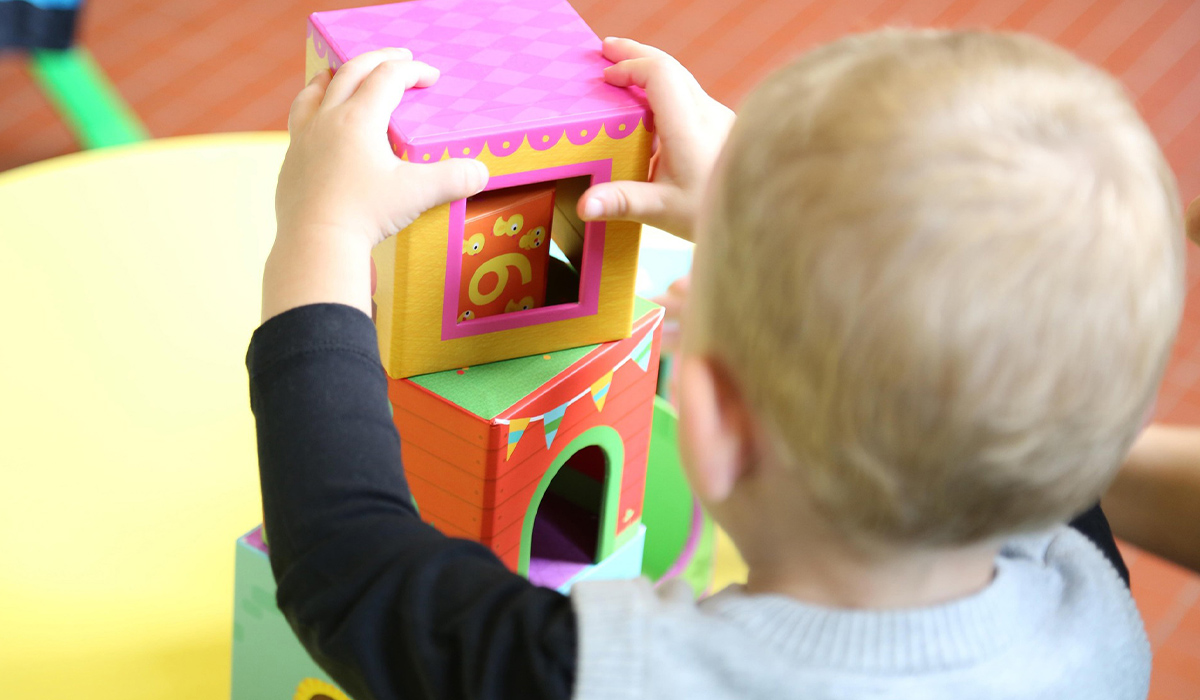
Child Development
Understand how young children grow, learn, and thrive so you can better support their early years.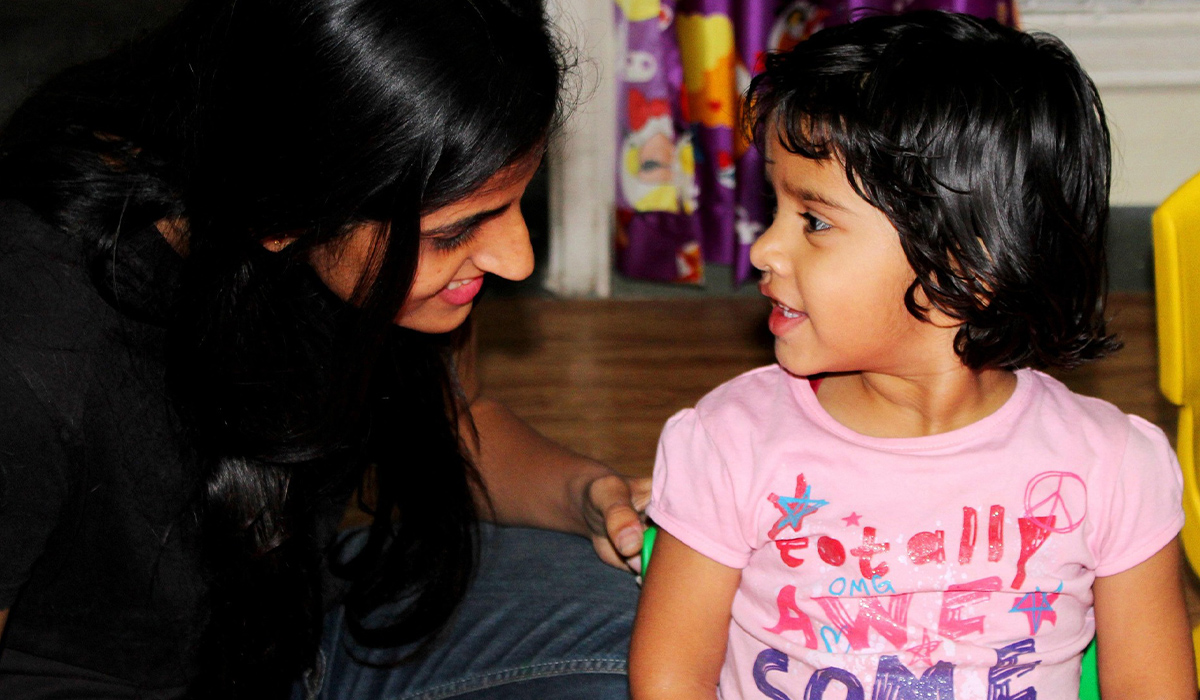
Family and Community Support
Learn how to partner with families and communities to create nurturing, inclusive learning environments.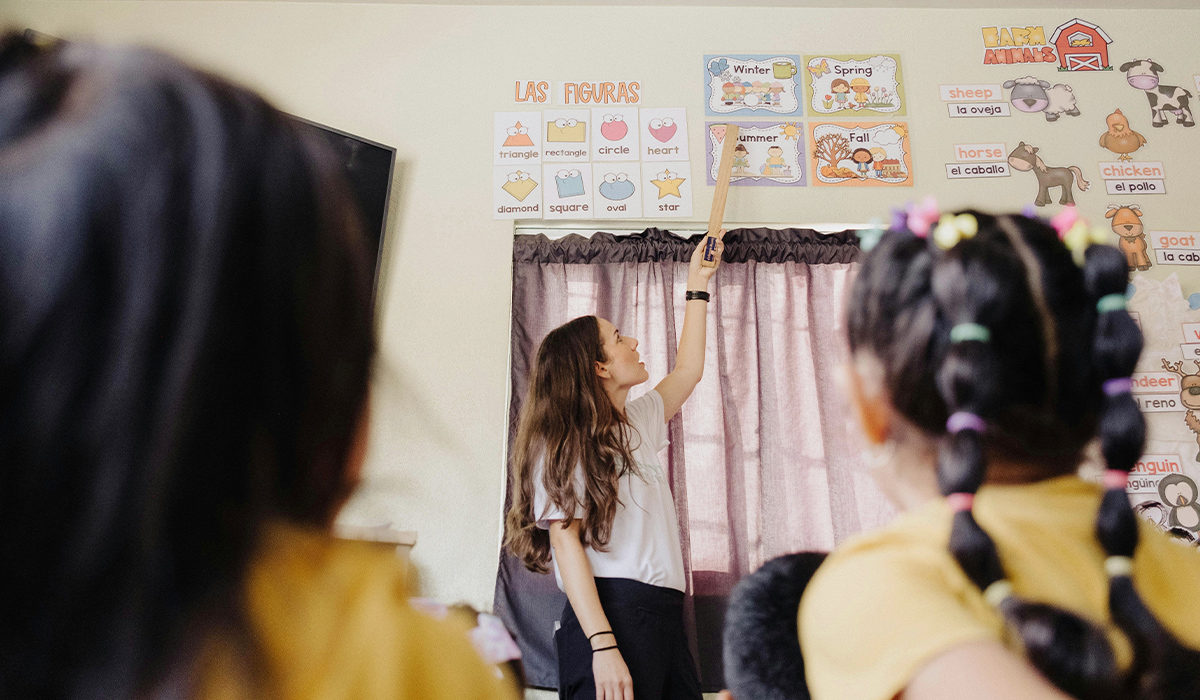
Teaching and Classroom Skills
Practice engaging teaching strategies and positive classroom management for real-world early learning settings.
Professional Growth and Leadership
Build strong communication and leadership skills to advance your career or continue your education in early childhood fields.Career Pathways
Preschools and Child Care Centers
Preschool teachers, assistants, directors, and administrators
Provide nurturing care and developmentally appropriate experiences
Public and Private Schools
Preschool teachers, instructional assistants, paraeducators, and program staff
Support structured instruction and student learning
Head Start and ECEAP Programs
Join professional teams that provide early education, health services, and family support for children and families in your community
Recreation and Community Education
Coaches, mentors, trainers, licensing, and early intervention specialists
Offer skill building and family-centered enrichment

Career Opportunities
Learn more about career opportunities in early childhood education!
My Next MoveContact
| Hilary Martinez | Eden Cazares | |
| Director, Early Childhood Education | Data Ambassador and ECED Navigator |
WVC prepares students in the early childhood education (ECE) program for careers that focus on children from birth to five years and their families. This program provides an understanding of a child's social, emotional, physical and cognitive development. It emphasizes practices that are developmentally appropriate and embrace both family and community.
The ECE program is designed to develop skilled professionals who understand and apply the principles of early childhood development to a broad spectrum of careers, advocate the early childhood education profession, and respond to community and workplace needs. Students and community members will also find the courses useful in helping them to become knowledgeable and confident parents.
Research shows that interactions between caregivers/educators and children are one of the most important indicators of a high-quality program. Caregivers and educators need the training and education opportunities that support high-quality interactions with children. Additionally, caregivers need clear and accessible pathways to attain professional goals, from local training opportunities to higher education.
The Department of Early Learning (DEL) partnered with the Washington State Board for Community and Technical Colleges (SBCTC) to develop a clear educational pathway for early learning professionals. This partnership has made it possible for Wenatchee Valley College Early Childhood Education students to earn the stackable certificates listed below.
ECE Programs:
- Associate of Applied Science Degree (formerly the Associate of Technical Science Degree)
- Associate in Applied Science-Transfer (AAS-T) Degree
- ECE Short Certificates
- Initial Certificate
- General Certificate
- Infant/Toddler Certificate
- School Age Certificate
- Family Child Care Certificate
- Administration Certificate
- Early Childhood Education-State Certificate
To be eligible for a degree or certificate, students must earn at least a "C" grade (2.0) in all ECE core courses and a cumulative 2.0 grade point average. Core program courses may have prerequisite requirements. English and mathematics courses require qualifying assessment scores or acceptable preparatory coursework in those subjects.
Students who complete the associate of applied science degree in Early Childhood Education will be able to:
- Document foundational competency in the Washington state’s eleven Early Childhood Education Professional Core Competencies.
- Demonstrate evidence of the ability to plan experiences and provide materials for young children in the four different Early Childhood settings – Infant/toddler program, Family/Home Child Care Program, Preschool Program and a Kindergarten,1st, 2nd or 3rd grade classroom.
- Identify and use credible professional resources from multiple sources, allowing them to better serve children and families with a wide range of cultures, languages, needs and abilities.
- Acquire training and education to seek employment or advance in current employment in the field of early childhood education.
- Develop a foundation to continue their studies in early childhood education.
Students who complete the early childhood education certificates will be able to:
- Understand the importance of each content area in young children’s learning.
- Know the essential concepts and structure of content areas, including academic subjects.
- Use their understanding of young children’s characteristics, needs and developmental growth to create environments that are healthy, respectful, supportive, and challenging for all children.
- Acquire training and education to seek employment or advance in current employment in the field of Early Childhood.
- Develop a foundation to continue their studies in early childhood education.
Hilary Martinez:
Early Childhood Education Director
(509) 682-6633