Natural and Physical Sciences
The Sciences
Students who major in the natural sciences may pursue careers in such disciplines as: astronomy, biology, chemistry, chiropractic, computer science, dentistry, ecology, engineering, environmental studies, forensic science, geosciences, mathematics, medicine, meteorology, molecular sciences, pharmacy and physics.
An education grounded in the study of the natural world provides the intellectual skills to make life decisions and is an important reason why natural and physical sciences are part of a liberal arts education. Understanding the natural world is part of being an educated person. The natural and physical sciences teach discipline and organization of knowledge and require each student to learn important critical thinking skills that can be applied in other disciplines and in other aspects of their lives.
All students from Wenatchee Valley College and the colleges and universities they transfer to are required to take general university requirements (GURs) that involve the main disciplines of a liberal arts education. This education includes the natural and physical sciences taught at WVC.
Explore Your Options
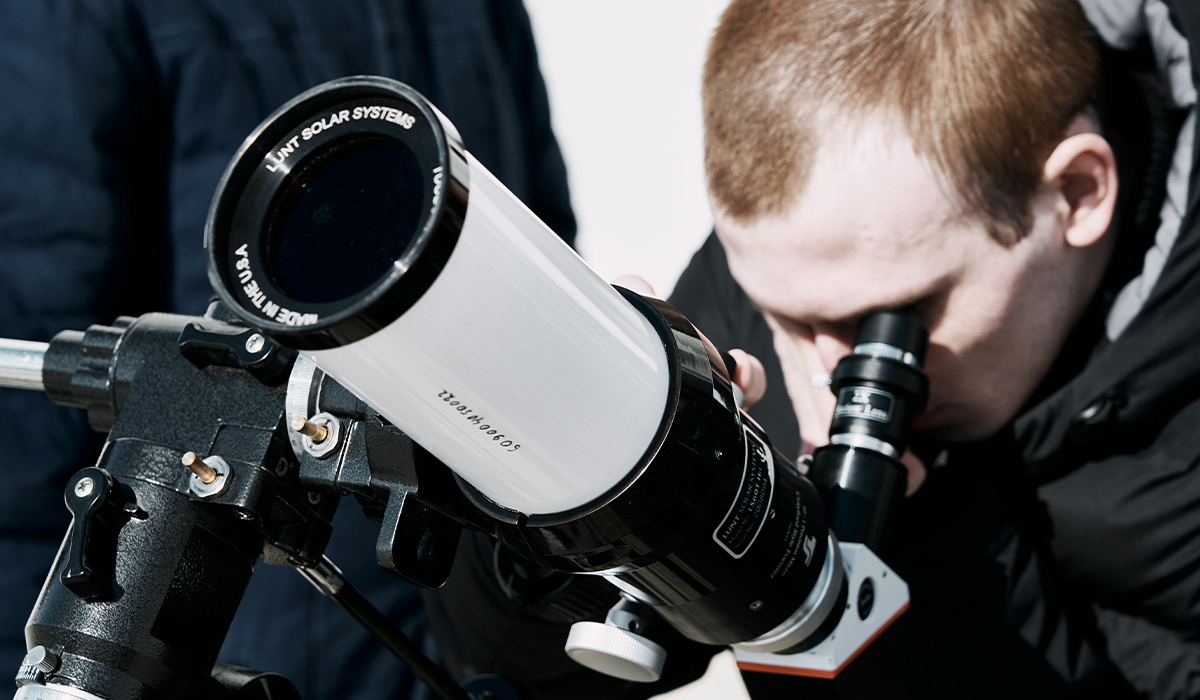
Astronomy
Explore the universe through scientific analysis of astronomical images, observations and measurements.
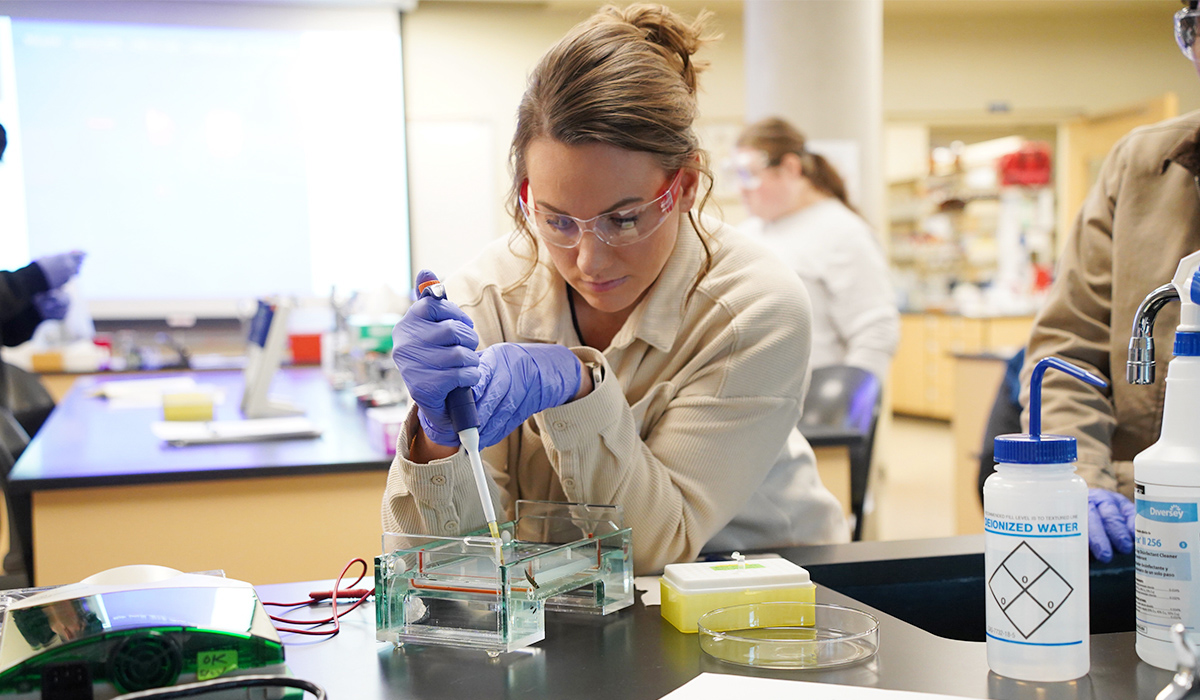
Chemistry
From dentristy to the molecular sciences, many careers in science involve the study of chemistry.

Geology
WVC offers courses in geology that range from studies of the Pacific Northwest to natural disasters.
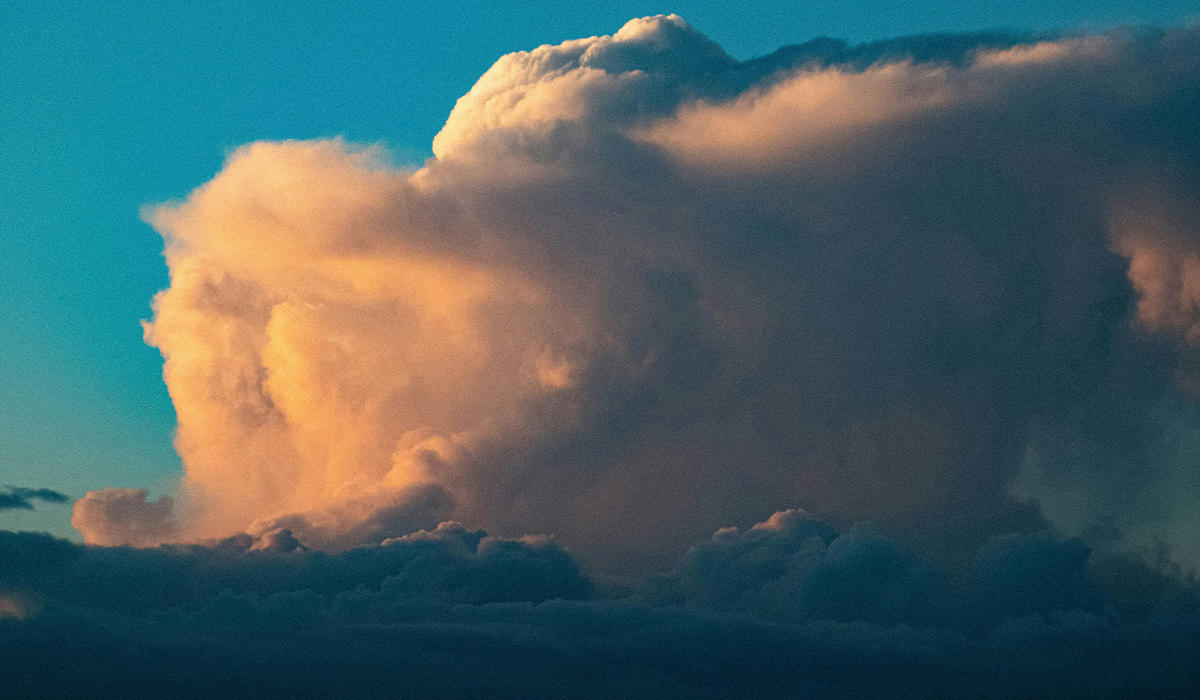
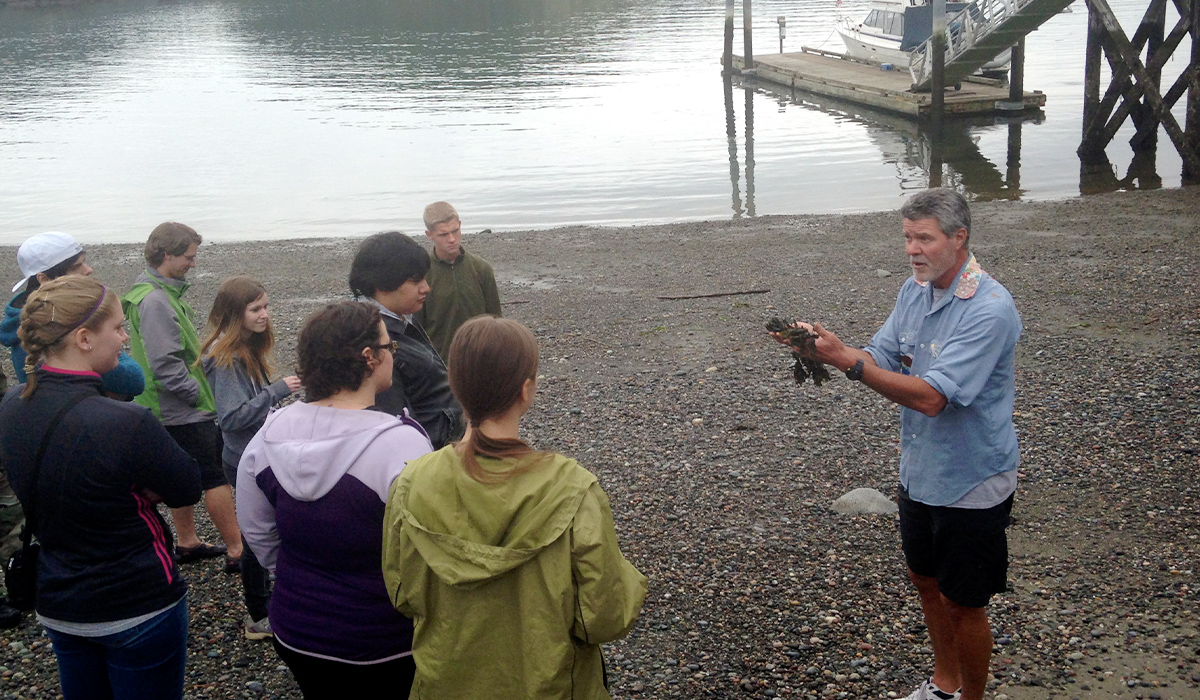
Oceanography
Investigate the geological, physical, chemical, biological, and environmental processes that occur in the ocean.
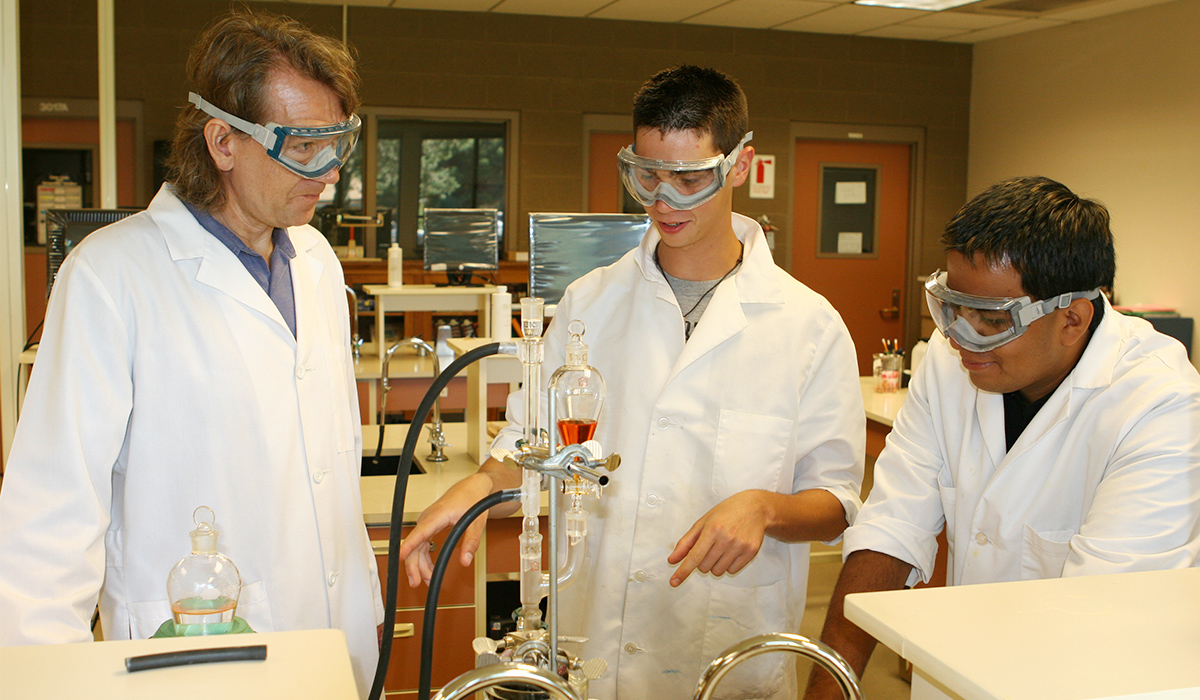
Organic Chemistry
Take these courses at WVC and experience small lecture and laboratory sections that allow daily interaction between students and instructor.
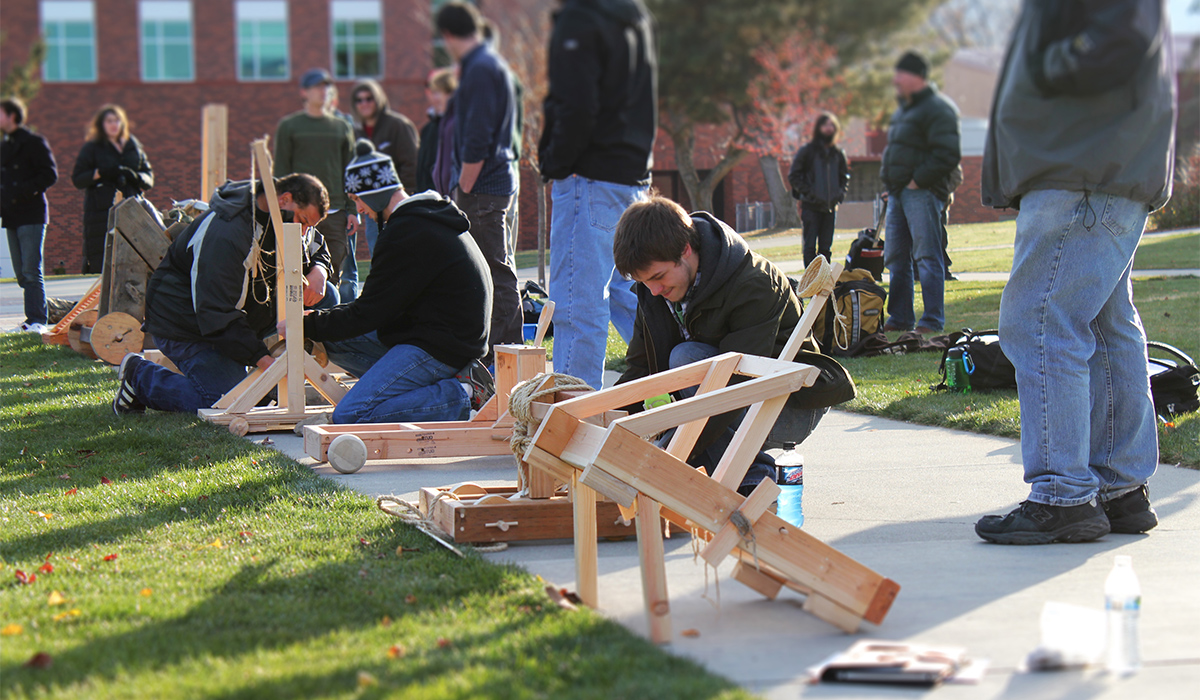
Physics
WVC offers physics courses that range from physics for non-majors to an engineering physics sequence.
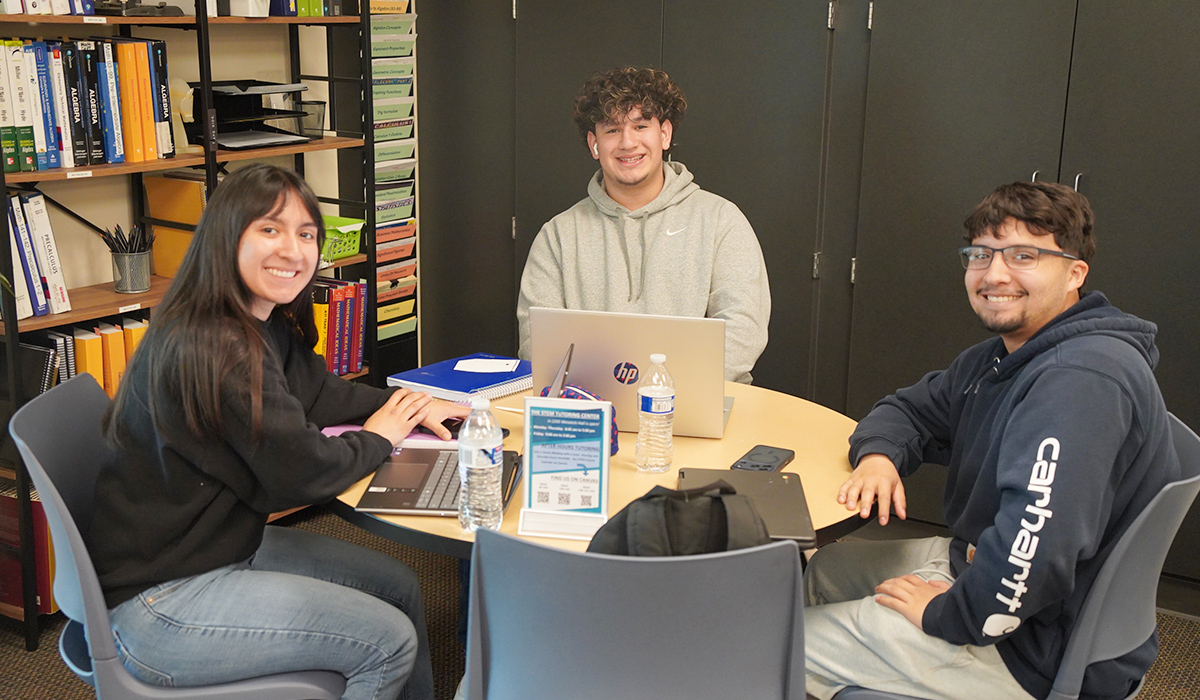
Student Support
WVC offers free, drop-in, in-person, and online tutoring to all WVC students taking math and science courses.
Learning Outcomes
Students who complete the natural sciences requirement for the associate of arts transfer degree or the associate of science-transfer degree will be able to:
- Meet transfer requirements for 4-year institutions and be prepared to major in science, technology, engineering, or mathematics
- Possess basic skills in the use of laboratory equipment, making experimental measurements, and making scientific observations. They also will be able to keep proper records of scientific observations and measurements, and be able to report experimental findings in a comprehensive lab report.
- Recognize, explain, and communicate mathematical relationships in measurements and observations and the science disciplines in general.
- Explain their experimental and observational results in terms of scientific theory.
- Use scientific methods to determine the validity of claims about nature, explain their experimental and observational results in terms of scientific theory, and tell the difference between speculation, hypothesis, and theory.
- Use their scientific literacy to better understand news reports about scientific topics. Students will apply scientific principles beyond the lab and classroom.
STEM Support
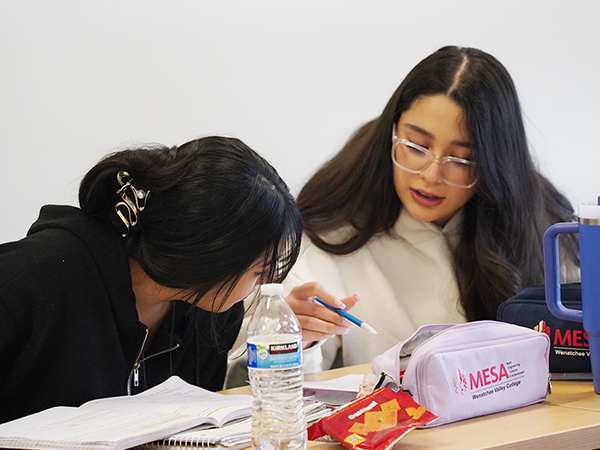
The MESA program (Mathematics, Engineering, Science Achievement) program at WVC offers academic and professional support services to qualifying students who intend to transfer to four-year universities in pursuit of science, technology, engineering and mathematics (STEM) majors.
Learn MoreContact
| Dr. Ebenezer Akinterinwa | Dr. David Bennatt | Dr. Ralph Dawes | ||
| Faculty, Biology | Faculty, Biology | Part-Time Faculty, Earth Sciences | ||
| Jeff Dykes | Rob Fitch | Megan Friesen | ||
| Part-Time Faculty, Biology, Omak Campus | Faculty, Biology | Faculty, Biology | ||
| Shane Hendrickson | Dr. Awanthi Hewage | Jasmine Ruiz | ||
| Faculty, Chemistry | Faculty, Chemistry | Faculty, Science, Omak Campus | ||
| Dr. Jim Lin | ||||
|
Faculty, Physics |